

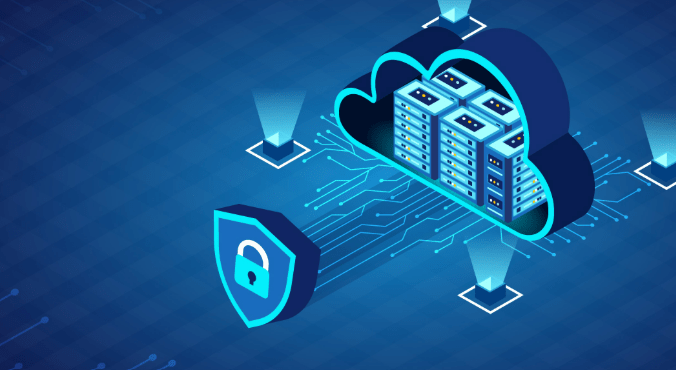
Cloud technology is witnessing unprecedented growth in 2026 as enterprises across the globe accelerate their digital transformation journeys, making cloud infrastructure the backbone of modern business operations. Leading providers such as Amazon Web Services, Microsoft, and Google Cloud are continuously expanding their capabilities to meet rising demand for scalable, flexible, and cost-efficient solutions. Organizations are rapidly shifting from traditional on-premise systems to hybrid and multi-cloud environments, allowing them to operate with greater agility while optimizing performance and reducing infrastructure costs. This transition is particularly significant in industries such as finance, healthcare, and e-commerce, where real-time data processing and global accessibility are critical.
One of the most defining trends in cloud technology today is the integration of artificial intelligence and machine learning into cloud platforms. Services powered by innovations like Google Vertex AI and Azure AI are enabling businesses to analyze massive datasets, automate workflows, and generate predictive insights with remarkable accuracy. This convergence of cloud and AI is transforming how companies approach decision-making, customer engagement, and operational efficiency, making intelligent automation a standard rather than a luxury.
At the same time, cloud security has become a top priority as cyber threats grow more sophisticated. Enterprises are increasingly adopting zero-trust security models, encryption protocols, and identity-based access controls to safeguard sensitive data stored in the cloud. Technology leaders like IBM are investing heavily in AI-driven security systems that can detect and respond to threats in real time, ensuring stronger protection against data breaches and cyberattacks. Governments and regulatory bodies are also introducing stricter compliance requirements, pushing organizations to adopt more transparent and secure cloud practices.
Another major development is the rise of edge computing, which complements cloud technology by processing data closer to its source. This is particularly important for applications such as IoT devices, smart cities, and autonomous systems, where latency and speed are crucial. By combining edge and cloud capabilities, businesses can deliver faster, more reliable services while maintaining centralized control over their data ecosystems.
Furthermore, the growing adoption of serverless computing and containerization technologies like Kubernetes is simplifying application development and deployment. These innovations allow developers to focus on writing code without worrying about underlying infrastructure, significantly reducing time-to-market and operational complexity. As a result, startups and enterprises alike are able to innovate more rapidly and scale their applications seamlessly.
Despite these advancements, challenges such as vendor lock-in, data migration complexities, and skill shortages continue to impact cloud adoption. Organizations are investing in training programs and strategic partnerships to overcome these barriers and fully leverage cloud capabilities.
In conclusion, cloud technology in 2026 is not just an IT solution but a strategic enabler of business growth and innovation. As companies continue to embrace AI-powered cloud platforms, strengthen security frameworks, and explore edge computing, the cloud is set to play an even more critical role in shaping the future of the digital economy.