
Mastering a Multi-Cloud Approach: Building a Flexible, Secure, and Future-Ready Cloud Strategy

Introduction
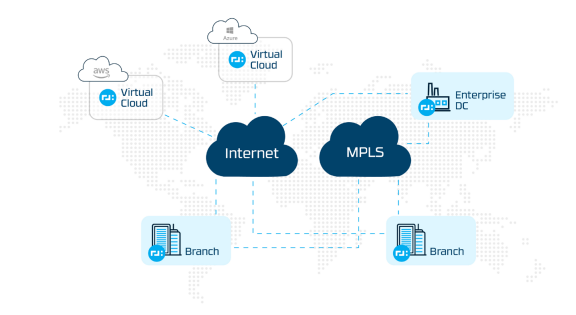
Cloud computing has transformed the way organizations build, manage, and scale their digital infrastructure. Businesses today rely on cloud platforms to accelerate innovation, improve operational efficiency, reduce infrastructure costs, and deliver better customer experiences. However, as cloud adoption matures, many enterprises are moving beyond relying on a single cloud provider and embracing a multi-cloud approach.
A multi-cloud strategy involves using services from multiple cloud providers—such as infrastructure, platforms, databases, analytics, artificial intelligence, and security solutions—to meet specific business requirements. Instead of depending entirely on one vendor, organizations distribute workloads across different cloud environments to improve flexibility, resilience, performance, and cost optimization.
While multi-cloud offers significant advantages, successfully managing multiple cloud platforms requires careful planning, strong governance, security controls, and skilled teams. Without a well-defined strategy, organizations may face increased complexity, security risks, and operational challenges.
Mastering a multi-cloud approach means creating a balanced ecosystem where different cloud platforms work together seamlessly while supporting business goals.
Understanding the Multi-Cloud Approach
A multi-cloud environment combines two or more cloud service providers to support an organization’s technology requirements. These providers may include public cloud platforms, private clouds, and specialized cloud services.
For example, an organization might use:
- One cloud provider for application hosting
- Another for artificial intelligence and machine learning workloads
- A different platform for data analytics
- A specialized security cloud service for threat detection
- Private cloud infrastructure for sensitive business data
Unlike a hybrid cloud model, which focuses on integrating private and public cloud environments, multi-cloud focuses on using multiple cloud providers to achieve greater flexibility and optimization.
A successful multi-cloud strategy allows businesses to select the best services from each provider instead of being limited to one ecosystem.
Why Organizations Are Adopting Multi-Cloud Strategies
1. Avoiding Vendor Lock-In
One of the biggest reasons companies adopt multi-cloud strategies is to reduce dependency on a single cloud provider.
Vendor lock-in can create challenges when organizations want to:
- Negotiate better pricing
- Move applications between platforms
- Adopt new technologies
- Change providers due to business requirements
A multi-cloud strategy provides greater freedom by allowing organizations to distribute workloads across multiple platforms.
For example, a company can use one provider’s database capabilities while leveraging another provider’s AI and analytics services.
This flexibility enables organizations to make technology decisions based on business needs rather than being restricted by one vendor.
2. Improving Business Continuity and Disaster Recovery
Downtime can significantly impact revenue, customer trust, and business operations. A multi-cloud approach improves resilience by distributing critical workloads across different environments.
If one cloud platform experiences:
- Service interruptions
- Regional outages
- Infrastructure failures
- Security incidents
Organizations can shift operations to another cloud environment.
Multi-cloud disaster recovery strategies help businesses maintain availability and reduce the risk of operational disruptions.
3. Optimizing Performance and User Experience
Different cloud providers offer varying infrastructure capabilities, geographic locations, and specialized services.
Organizations can select cloud resources based on:
- Application requirements
- Customer location
- Performance expectations
- Data regulations
For example:
- A global application may use multiple cloud regions to reduce latency.
- A data-intensive application may leverage specialized analytics services.
- A customer-facing platform may use cloud services closer to end users.
This improves application speed, reliability, and overall user experience.
4. Achieving Cost Optimization
Cloud costs can quickly increase without proper management. Multi-cloud allows organizations to compare pricing models and select cost-effective solutions.
Companies can optimize expenses by:
- Running workloads on the most affordable platform
- Using competitive pricing options
- Avoiding unnecessary infrastructure costs
- Selecting specialized services based on workload requirements
However, cost optimization requires strong monitoring because managing multiple cloud environments can also introduce additional expenses.
5. Accessing Best-in-Class Technologies
Every cloud provider has unique strengths. A multi-cloud strategy allows businesses to take advantage of specialized technologies without limiting themselves.
Organizations can benefit from:
- Advanced artificial intelligence platforms
- High-performance computing resources
- Industry-specific solutions
- Advanced security tools
- Data analytics capabilities
Instead of waiting for one provider to develop every capability, businesses can adopt the best available solutions across different platforms.
Key Challenges of Multi-Cloud Adoption
While multi-cloud offers many advantages, it also introduces complexity.
1. Increased Management Complexity
Managing multiple cloud environments requires organizations to handle:
- Different management consoles
- Multiple billing systems
- Various security policies
- Different deployment processes
- Diverse monitoring tools
Without centralized management, teams may struggle to maintain visibility and control.
Organizations need cloud management platforms and automation tools to simplify operations.
2. Security and Compliance Challenges
Security becomes more complex in a multi-cloud environment because data and applications are distributed across multiple platforms.
Organizations must manage:
- Identity and access control
- Data encryption
- Network security
- Compliance requirements
- Threat monitoring
A strong multi-cloud security strategy should include:
- Zero Trust security principles
- Identity-based access management
- Continuous monitoring
- Automated security assessments
- Data protection policies
Security responsibilities must be clearly defined between cloud providers and internal teams.
3. Data Management Difficulties
Data is often the most valuable asset for organizations, but managing data across multiple cloud platforms can be challenging.
Common issues include:
- Data duplication
- Data synchronization problems
- Data movement costs
- Compliance restrictions
- Data governance challenges
Organizations need a strong data management framework that defines:
- Where data is stored
- Who can access it
- How data moves between platforms
- How data is protected
4. Lack of Skilled Cloud Professionals
Multi-cloud environments require teams with expertise across different platforms.
Organizations need professionals skilled in:
- Cloud architecture
- Infrastructure automation
- Security engineering
- DevOps practices
- Cloud cost management
Investing in training and certification programs is essential for successful multi-cloud adoption.
Building a Successful Multi-Cloud Strategy
1. Define Clear Business Objectives
Before adopting multi-cloud, organizations should identify their goals.
Questions to consider:
- Why do we need multiple cloud providers?
- Which workloads should move to each platform?
- What business problems are we solving?
- How will success be measured?
A clear strategy prevents unnecessary complexity.
2. Choose the Right Cloud Providers
Not every workload requires every cloud platform.
Organizations should evaluate providers based on:
- Performance
- Security capabilities
- Pricing
- Compliance support
- Availability
- Technology offerings
The goal is not to use as many clouds as possible but to use the right clouds for the right purposes.
3. Implement Cloud Governance
Strong governance ensures consistency across cloud environments.
A cloud governance framework should define:
- Security policies
- Compliance requirements
- Resource management rules
- Cost controls
- Access permissions
Governance helps prevent cloud sprawl and ensures responsible cloud usage.
4. Adopt Automation and DevOps Practices
Automation is essential for managing multi-cloud environments efficiently.
Organizations should implement:
- Infrastructure as Code (IaC)
- Automated deployment pipelines
- Configuration management
- Continuous integration and delivery
Tools that support automation help teams manage infrastructure consistently across different cloud platforms.
5. Establish Centralized Monitoring
Visibility is critical in a multi-cloud environment.
Organizations need centralized monitoring solutions to track:
- Application performance
- Security events
- Resource usage
- Cloud spending
- Compliance status
A unified monitoring approach helps teams identify problems quickly and improve operational efficiency.
6. Strengthen Cloud Security
Security should be integrated into every stage of the multi-cloud lifecycle.
Organizations should focus on:
Identity and Access Management
Ensure users only have access to the resources they need.
Data Encryption
Protect sensitive information during storage and transmission.
Network Security
Implement secure connectivity between cloud environments.
Continuous Threat Detection
Use automated tools to identify suspicious activity.
A security-first approach reduces risks and protects business-critical assets.
The Role of Artificial Intelligence in Multi-Cloud Management
Artificial intelligence is becoming increasingly important in managing complex cloud environments.
AI-powered cloud solutions can help organizations:
- Predict infrastructure requirements
- Optimize resource allocation
- Detect security threats
- Automate troubleshooting
- Reduce operational costs
AI-driven automation enables organizations to manage large-scale multi-cloud environments more efficiently.
Multi-Cloud and the Future of Enterprise Technology
As businesses continue their digital transformation journeys, multi-cloud adoption will become increasingly common.
Future multi-cloud environments will focus on:
- Greater automation
- AI-driven operations
- Advanced cybersecurity
- Edge computing integration
- Industry-specific cloud solutions
Organizations will increasingly move toward cloud ecosystems where applications, data, and services operate seamlessly across multiple platforms.
Best Practices for Mastering Multi-Cloud
To maximize the benefits of multi-cloud, organizations should follow these best practices:
1. Start With a Clear Strategy
Avoid adopting multiple clouds without a defined purpose.
2. Prioritize Security
Build security controls from the beginning.
3. Standardize Processes
Create consistent deployment and management practices.
4. Monitor Costs Continuously
Track cloud spending and optimize resources regularly.
5. Invest in Skills
Train teams on cloud technologies and best practices.
6. Automate Wherever Possible
Reduce manual effort through automation.
7. Maintain Strong Governance
Ensure compliance, security, and operational consistency.
Conclusion
Mastering a multi-cloud approach is not simply about using multiple cloud providers—it is about creating a strategic technology ecosystem that supports innovation, resilience, and business growth.
A well-designed multi-cloud strategy enables organizations to avoid vendor dependency, improve performance, optimize costs, and access the best technologies available. However, success requires careful planning, strong governance, advanced security practices, and continuous optimization.
As digital transformation accelerates, organizations that effectively manage multi-cloud environments will be better positioned to adapt, innovate, and compete in an increasingly technology-driven world.
The future of cloud computing is not about choosing one platform—it is about creating a connected, intelligent, and flexible cloud ecosystem that delivers maximum business value.