

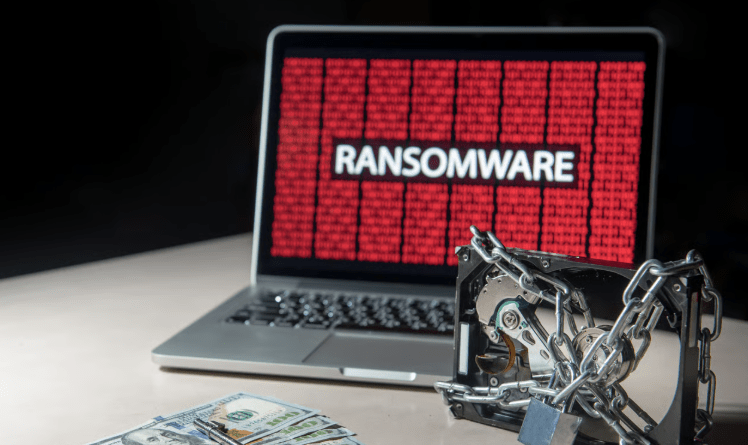
In the constantly evolving landscape of cybersecurity threats, Ransomware-as-a-Service (RaaS) has emerged as one of the most dangerous trends of the last decade. Once a tool used exclusively by sophisticated hackers, ransomware has now been commoditized and made available to a much broader audience through subscription-like models. This shift is transforming the cybercrime ecosystem and amplifying its global impact on businesses, governments, and individuals.
What is Ransomware-as-a-Service (RaaS)?
Ransomware-as-a-Service is a business model where cybercriminals develop and sell ready-to-use ransomware tools to affiliates or other malicious actors. Much like legitimate software-as-a-service (SaaS) platforms, RaaS providers offer easy-to-use dashboards, customer support, pricing tiers, and even revenue-sharing models. Affiliates typically pay a subscription fee or share a percentage of the ransom collected with the developers.
This model eliminates the need for technical expertise, meaning anyone with malicious intent—and a willingness to pay—can launch a ransomware attack.
Why RaaS is Growing So Quickly
Several factors contribute to the rapid rise of RaaS:
- Low Barriers to Entry – Attackers no longer need advanced coding skills; they can purchase ransomware kits and start attacking.
- High Profit Margins – Successful ransomware campaigns can generate millions in ransom payments.
- Anonymity Through Cryptocurrency – Payments are usually demanded in Bitcoin or other cryptocurrencies, making transactions harder to trace.
- Global Accessibility – Underground forums and dark web marketplaces make RaaS tools available worldwide.
- Affiliate Incentives – Developers profit from shared earnings, encouraging more sophisticated and frequent attacks.
Global Impact of RaaS
The effects of RaaS extend far beyond IT departments. Its consequences ripple across economies, businesses, and societies.
1. Economic Disruption
Global losses due to ransomware are expected to surpass hundreds of billions of dollars annually, factoring in ransom payments, downtime, reputational damage, and recovery costs. Small and medium enterprises (SMEs) are especially vulnerable, often lacking robust cybersecurity defenses.
2. Targeting Critical Infrastructure
Hospitals, utilities, supply chains, and government systems have increasingly become prime targets. Such attacks don’t just cause financial losses—they endanger public safety and national security.
3. Strained Insurance and Compliance Systems
Cyber insurance premiums are skyrocketing as insurers face growing claims. Governments worldwide are also implementing stricter compliance regulations, forcing businesses to adopt stronger cybersecurity practices.
4. Geopolitical Implications
Some RaaS groups operate with tacit approval—or at least tolerance—from certain states, raising concerns about cybercrime being used as a tool of geopolitical conflict.
How Organizations Can Defend Against RaaS
While RaaS poses a daunting challenge, organizations can take several proactive steps:
- Invest in Cybersecurity Training – Human error remains the weakest link; awareness programs reduce phishing-related breaches.
- Adopt Zero Trust Architecture – Trust no device or user until verified; this minimizes lateral movement within networks.
- Regular Backups and Recovery Plans – Frequent, encrypted backups ensure that critical data can be restored without paying ransom.
- Patch Management – Keeping software and systems updated reduces the risk of exploitation.
- Advanced Threat Detection Tools – AI-driven monitoring systems can spot unusual activity before it escalates.
- Collaborating with Authorities – Sharing intelligence with cybersecurity agencies helps dismantle RaaS networks globally.
The Future of RaaS
Unfortunately, RaaS is not likely to disappear anytime soon. Its profitability, scalability, and ease of access mean more cybercriminals will continue to adopt it. Experts predict that attacks will become increasingly targeted, customized, and disruptive.
However, there is hope. Increased global cooperation between governments, advancements in threat detection technologies, and growing awareness among businesses can help mitigate the risks. The fight against RaaS will require not only technical defenses but also collective action across industries and nations.
Conclusion
The rise of Ransomware-as-a-Service represents a dangerous turning point in the cybercrime landscape. By lowering the barrier to entry for attackers, it has fueled a surge in ransomware incidents across the globe, threatening businesses, critical infrastructure, and economies.
The message is clear: cybersecurity is no longer optional—it’s a global priority. Organizations that prioritize resilience, proactive defenses, and collaboration will be better equipped to withstand the growing threat of RaaS.