
Strengthening IT Tower Security: Protecting the Backbone of Modern Infrastructure

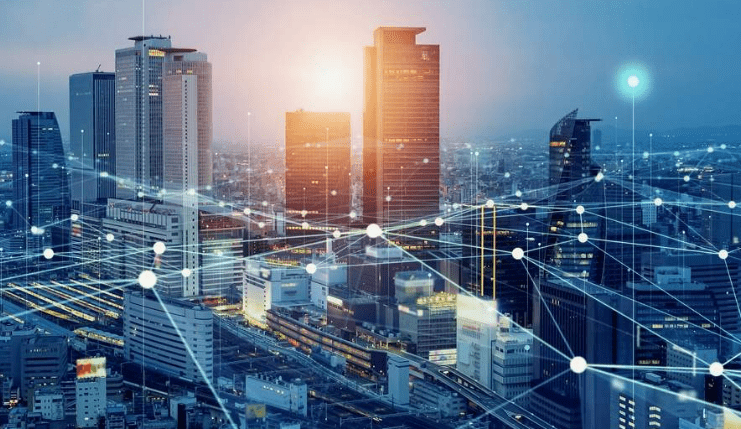
In today’s hyper-connected digital ecosystem, IT towers—whether they operate as data centers, telecom towers, or enterprise network hubs—serve as critical infrastructure. These towers host servers, communication equipment, power systems, and core network components that support everything from cloud computing to mobile connectivity. With the growing dependence on digital services, ensuring the security of IT towers has become a top priority for organizations, telecom operators, and managed service providers.
IT tower security is no longer limited to physical guards and locked rooms. It now requires a strategic blend of physical protection, cybersecurity, environmental monitoring, and operational resilience. This article explores the importance of IT tower security, the biggest risks, and best practices to keep these facilities safe, resilient, and compliant.
Why IT Tower Security Matters
IT towers are the beating heart of modern digital services. Any compromise—whether physical intrusion, equipment tampering, cyberattack, or power disruption—can cause severe outages, financial losses, data breaches, and reputational damage. These towers maintain:
- Data storage and processing
- Network connectivity (telecom and enterprise networks)
- Emergency communication services
- Internet and cloud infrastructure functions
- Business continuity for essential operations
A single security flaw can disrupt thousands or even millions of users.
Major Threats to IT Towers
IT towers face both physical and digital threats. Understanding these risks helps organizations build a stronger defense strategy.
1. Physical Intrusion
Unauthorized entry by intruders, disgruntled employees, or criminals may result in equipment theft, tampering, or vandalism.
2. Power and Equipment Failure
Outages, overheating, or faulty equipment can bring the entire tower offline. Many incidents stem from poor maintenance or environmental imbalance.
3. Cybersecurity Attacks
Remote IT tower systems, IoT sensors, network controllers, and building management systems can be exploited by hackers if not secured.
4. Environmental Hazards
These include fire, flooding, overheating, humidity imbalance, or chemical leakage in battery rooms.
5. Insider Threats
Employees, maintenance staff, or third-party vendors may misuse access privileges or inadvertently cause security lapses.
6. Natural Disasters
Earthquakes, storms, lightning strikes, and flooding can severely damage tower infrastructure.
Key Components of IT Tower Security
Ensuring a strong security framework requires a combination of physical, digital, and operational controls.
1. Physical Security Measures
Effective physical protection minimizes unauthorized access and prevents environmental risks.
Core measures include:
- Multi-layer perimeter fencing
- Biometric access control systems
- Surveillance cameras with 24×7 monitoring
- Motion detection sensors
- Portable and fixed fire suppression systems
- Controlled access to server rooms and power units
- Anti-tampering locks and smart padlocks
- Visitor logs and access audits
Physical security is the first line of defense and must be monitored continuously.
2. Cybersecurity Controls
With IT towers increasingly connected to the cloud and networks, cybersecurity is crucial.
Important cybersecurity practices:
- Firewalls, encrypted communication channels, and network segmentation
- Secured remote access via VPN or zero-trust architecture
- Regular vulnerability assessments and penetration testing
- Updating firmware and patching connected devices
- Monitoring for anomalies in IoT gateway devices
- Restricting access to network controllers and automation systems
A cyberattack on tower management software can disrupt power, cooling, and network operations.
3. Power and Backup System Security
Uninterrupted power is the backbone of IT towers. Securing power management is essential.
Key requirements:
- Redundant power supply (UPS, DG sets, batteries)
- Surge protection and grounding
- Regular maintenance of power distribution units (PDUs)
- Real-time monitoring of voltage and load
- Strict access controls in battery and generator rooms
Power failures often trigger costly downtime, so constant monitoring is vital.
4. Environmental Monitoring and Control
IT towers require stable environmental conditions to ensure efficient operation.
Environmental factors to monitor:
- Temperature
- Humidity
- Smoke and fire detection
- Water leakage
- Air quality and ventilation
- Dust and contamination levels
Smart sensors help detect issues early before they become catastrophic.
5. Access Policy and Governance
Strong governance prevents unauthorized entry and maintains accountability.
Governance practices include:
- Strict role-based access control
- Vendor and contractor verification
- Scheduled maintenance protocols
- Incident reporting and resolution logs
- Compliance with international security standards such as ISO 27001
Policies ensure that security procedures are consistent and traceable.
6. Disaster Recovery and Business Continuity Planning
Disaster preparedness ensures that tower operations resume quickly after disruptions.
Essential DR strategies:
- Backup power arrangements
- Redundant cooling systems
- Alternate communication channels
- Emergency response teams
- Data backup and failover planning
- Routine drills for fire, flood, and cyber incidents
A solid continuity plan protects both infrastructure and business operations.
Benefits of Strong IT Tower Security
Organizations that invest in robust IT tower security enjoy:
- Improved service uptime
- Protection against cyber and physical attacks
- Lower operational risks
- Enhanced regulatory compliance
- Increased reliability for customers and users
- Protection of critical data and communication lines
- Reduced financial and reputational damage
Strong security is a competitive advantage in the digital era.
Conclusion
As digital dependency grows, IT towers must be protected with advanced, multi-layered security strategies. A secure IT tower combines physical protection, cybersecurity, environmental stability, and strict governance. Implementing these measures ensures that essential services run smoothly, networks remain uninterrupted, and organizations stay resilient against evolving threats.