

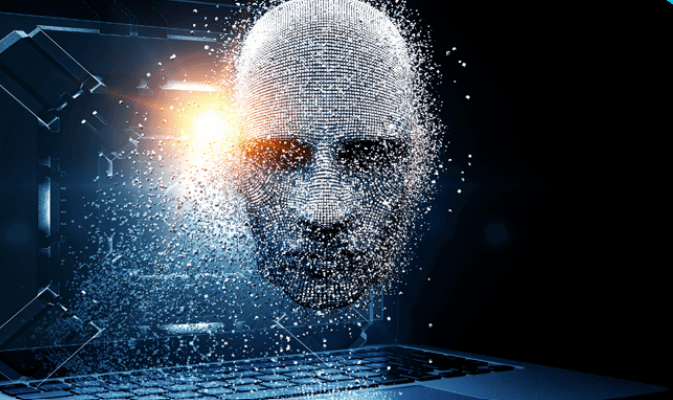
Cybersecurity threats are constantly evolving, and phishing has remained one of the most persistent attack vectors over the years. What started as simple fraudulent emails has now transformed into a highly sophisticated form of cybercrime. With the rise of deepfake technology and advanced social engineering, we are entering the era of Phishing 3.0, where attackers blend AI-generated content with psychological manipulation to deceive even the most cautious users.
From Traditional Phishing to Phishing 3.0
- Phishing 1.0: Basic email scams, usually with spelling errors and suspicious links, aimed at tricking users into revealing passwords or financial information.
- Phishing 2.0: Spear phishing and business email compromise (BEC), where attackers research their targets and craft convincing, personalized messages.
- Phishing 3.0: The integration of deepfakes—realistic audio, video, and images generated by AI—combined with advanced social engineering tactics to impersonate trusted individuals with alarming accuracy.
How Deepfakes Are Changing the Game
- Video Impersonation
Attackers can create realistic video calls of CEOs, managers, or colleagues, instructing employees to share sensitive data or authorize payments. - Audio Manipulation
Deepfake voice technology can replicate a person’s speech patterns, enabling scammers to leave convincing voicemails or conduct fraudulent phone calls. - Social Media Exploitation
Hackers use deepfake profiles and AI-generated content to build trust with victims over time, making phishing attempts appear authentic.
The Psychology Behind Phishing 3.0
Phishing has always exploited human trust, fear, and urgency. Deepfakes amplify this manipulation by removing the usual “red flags” users are taught to spot—like poor grammar, unfamiliar domains, or low-quality images. In Phishing 3.0, the message comes from a face you recognize or a voice you trust, drastically increasing the success rate of attacks.
Defending Against Phishing 3.0
- Advanced Authentication: Implement multi-factor authentication (MFA) and biometric security to reduce reliance on trust-based communication.
- AI-Powered Detection: Use cybersecurity solutions capable of analyzing speech, video artifacts, and unusual communication patterns.
- Employee Training: Awareness programs must now include deepfake scenarios so users can recognize suspicious behaviors beyond just emails.
- Verification Protocols: Encourage employees to confirm sensitive requests through secondary channels, such as in-person verification or secure messaging apps.
The Future of Phishing and Cyber Defense
Phishing 3.0 highlights the arms race between cybercriminals and defenders. As AI continues to evolve, attackers will gain more realistic tools for deception. At the same time, organizations must adopt proactive defense mechanisms and foster a culture of skepticism and verification.
In the age of deepfakes, the old advice of “think before you click” must evolve into “verify before you trust.”