

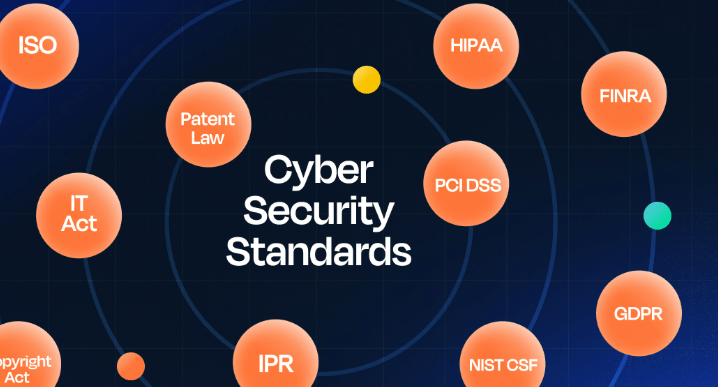
In an era where cyber threats are growing in sophistication and frequency, enterprises are increasingly recognizing the critical importance of robust cybersecurity frameworks. Implementing a well-structured cybersecurity framework not only safeguards sensitive data but also ensures regulatory compliance, operational continuity, and stakeholder trust. Among the most widely adopted frameworks are the NIST Cybersecurity Framework and the ISO/IEC 27001 Standard. While both provide comprehensive guidance, understanding their differences, strengths, and ideal use cases is essential for modern enterprises striving to build resilient security infrastructures.
NIST Cybersecurity Framework
Developed by the National Institute of Standards and Technology (NIST) in the United States, the NIST Cybersecurity Framework is a voluntary, risk-based set of guidelines designed to help organizations manage and reduce cybersecurity risk. It is particularly prevalent in the U.S. critical infrastructure sectors, but its flexible design allows for global applicability.
The framework is structured around five core functions: Identify, Protect, Detect, Respond, and Recover. These functions provide a high-level, outcome-focused approach that enables organizations to assess current security posture, implement protective measures, detect incidents promptly, respond effectively, and recover swiftly from breaches. NIST emphasizes risk management, allowing organizations to tailor controls to their specific operational environment and threat landscape. Its flexibility makes it suitable for enterprises of varying sizes and industries, from financial institutions to healthcare providers.
ISO/IEC 27001 Standard
ISO/IEC 27001, developed by the International Organization for Standardization (ISO), is an international standard that specifies the requirements for establishing, implementing, maintaining, and continually improving an Information Security Management System (ISMS). Unlike NIST, which serves primarily as a guideline, ISO 27001 is a certifiable standard, providing organizations with the opportunity to achieve formal recognition of their cybersecurity practices.
ISO 27001 follows a structured approach based on risk assessment and management. It outlines a comprehensive set of controls across domains such as access management, physical security, cryptography, incident management, and compliance. Certification demonstrates an organization’s commitment to information security, which is particularly valuable for enterprises operating globally or in industries subject to strict regulatory requirements, such as finance, healthcare, and government.
Key Differences
While both frameworks aim to enhance cybersecurity, their approaches differ:
- Scope and Structure: NIST provides a flexible, voluntary framework focused on outcomes, while ISO 27001 prescribes specific requirements for an auditable ISMS.
- Certification: ISO 27001 allows for formal certification, which can enhance credibility with clients and partners. NIST does not offer certification but provides detailed implementation guidance.
- Global Recognition: ISO 27001 is internationally recognized, making it suitable for enterprises operating across multiple countries. NIST is widely recognized in the U.S., though its principles are applicable globally.
- Adaptability: NIST’s flexible design is easier to adapt to evolving cyber threats, whereas ISO 27001 requires compliance with structured processes, which may be more rigid.
Which One Fits Modern Enterprises?
The choice between NIST and ISO 27001 depends on organizational goals, industry requirements, and operational context. Enterprises seeking flexibility, risk-based guidance, and rapid adaptability may benefit from NIST, particularly those focused on enhancing cybersecurity posture without the need for formal certification. On the other hand, enterprises aiming for formal recognition, regulatory compliance, and global credibility may prefer ISO 27001, as certification can strengthen client trust and meet contractual or legal obligations.
Increasingly, modern enterprises are adopting a hybrid approach, leveraging the flexibility of NIST for operational security while aligning with ISO 27001 to achieve certification and regulatory compliance. This combination ensures comprehensive risk management, robust controls, and demonstrable adherence to international standards.
Conclusion
Both NIST and ISO 27001 provide invaluable frameworks for managing cybersecurity in today’s complex threat landscape. NIST offers adaptability and a practical, risk-focused approach, while ISO 27001 provides formal structure and global recognition. Modern enterprises must assess their objectives, regulatory obligations, and risk tolerance to choose the framework—or combination—that best fits their needs. By strategically implementing these frameworks, organizations can not only protect critical assets but also foster trust, resilience, and long-term success in an increasingly digital world.